
Growth Management
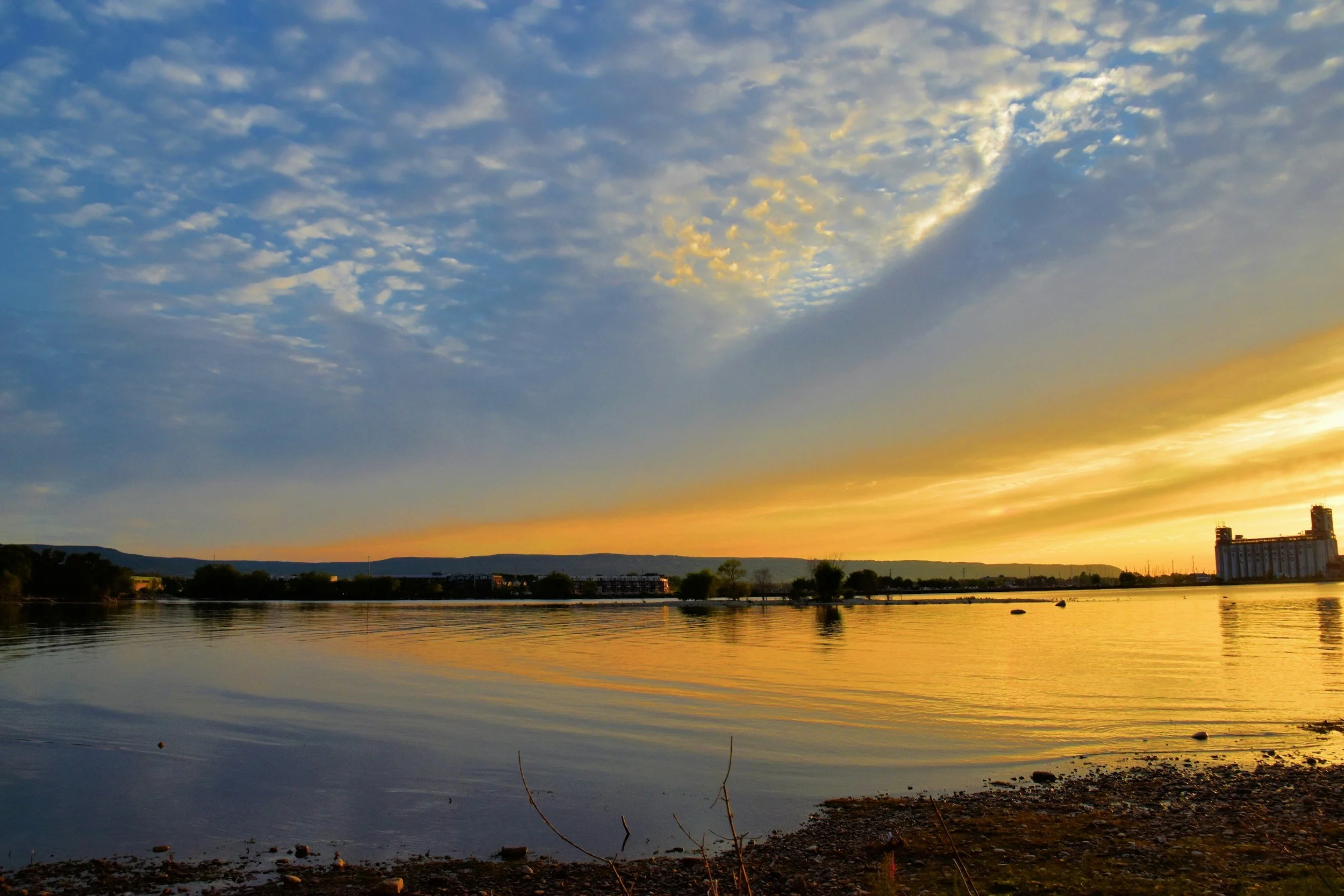
The Town of The Blue Mountains is growing quickly.
What used to be seen mainly as a seasonal and recreation community is now home to many more full-time residents. That growth brings opportunities, but it also creates pressure on housing, roads, water services, farms, natural areas, and the character of local communities.
The big question for voters is this: how should local leaders manage growth while protecting what makes this town special—its farmland, natural environment, heritage, and small-town feel?
This guide explains the main issues in plain non-partisan language and highlights the questions voters should ask candidates in the municipal election.
1. Why Continued Growth is Inevitable
According to Statistics Canada, the Town of The Blue Mountains grew from 7,025 people in 2016 to 9,390 in 2021, representing a 33.7% increase. That was far above the Ontario average of 5.8%. Town planning documents also point to continued long-term growth, which means council decisions on housing, infrastructure, and land use will shape the community for years to come.
Why is this happening?
Remote work, retiree migration, and the area's strong lifestyle appeal have made the Town of The Blue Mountains more attractive as a place to live year-round.
2. The Main Choices Facing Council
The Town's Official Plan review shows that local leaders must balance several priorities at the same time. These choices are not simple, and candidates should be clear about how they would handle them.
A. More homes and density vs. small-town character
Provincial and county planning rules push municipalities to build more homes inside existing settlement areas instead of spreading farther into rural land.
That can mean taller buildings, more units, or denser development in places like Thornbury and Clarksburg.
Many residents support protecting farmland but worry that too much density could change the look and feel of established neighbourhoods and main streets.
B. Protecting nature vs. expanding infrastructure
The municipality includes sensitive natural areas, including parts of the Niagara Escarpment, watersheds, wetlands, shorelines, and woodlands.
More residents mean more demand for roads, water and wastewater services, parks, and trails.
Voters should ask how candidates would add infrastructure without weakening environmental protections. The Town's planning work and Natural Heritage policies make this a major issue.
C. Housing affordability vs. keeping a local workforce
Housing costs have risen, making it harder for workers, young families, and some seniors to live locally.
If workers cannot find housing, local businesses and services may struggle to recruit and retain staff.
Candidates should explain what kinds of housing they support, where they think it should go, and how they would keep it realistic for residents who work in the community.
3. Important Plans and Rules to Watch
When candidates talk about growth, housing, or protecting the environment, voters should listen for how they refer to these local planning tools:
The Official Plan: the main document that guides where different kinds of development can happen in town.
Natural Heritage and environmental policies: the rules that help protect connected natural areas, water, wildlife habitat, and sensitive land.
Tree preservation and development rules: the policies that shape what builders must do when development affects trees, landscaping, or site design.
4. Key Questions Voters Should Ask Candidates
These questions can help voters compare candidates and understand whether they have practical, balanced plans for the Town of The Blue Mountains:
What is your plan to manage growth without losing the town's small-community character?
Where should new housing go, and what kinds of housing do you support?
How will you support attainable housing for workers, families, and seniors?
Do you support taller or denser development in settlement areas if it helps protect farmland and natural areas from sprawl?
How will you protect the Niagara Escarpment, wetlands, woodlands, farmland, and shoreline while the town grows?
What infrastructure upgrades should come first—roads, water, wastewater, trails, transit connections, or recreation facilities?
How will you make sure growth pays for the services it requires without putting too much pressure on existing taxpayers?
What design standards should new development meet, so it fits better with Thornbury, Clarksburg, and other local communities?
How will you balance tourism, agriculture, business growth, and year-round residential needs?
How will you make planning decisions more transparent and easier for residents to follow?
