The Issues
From housing affordability and long-term care to growth, governance, and municipal finances, the Town of the Blue Mountains faces important decisions ahead.
Explore the issues, stay informed, and participate confidently in the 2026 election.
-
The town faces an infrastructure funding gap of about $8.3 million per year, leaving it short of what is needed to maintain roads, pipes, buildings, and other assets over time.
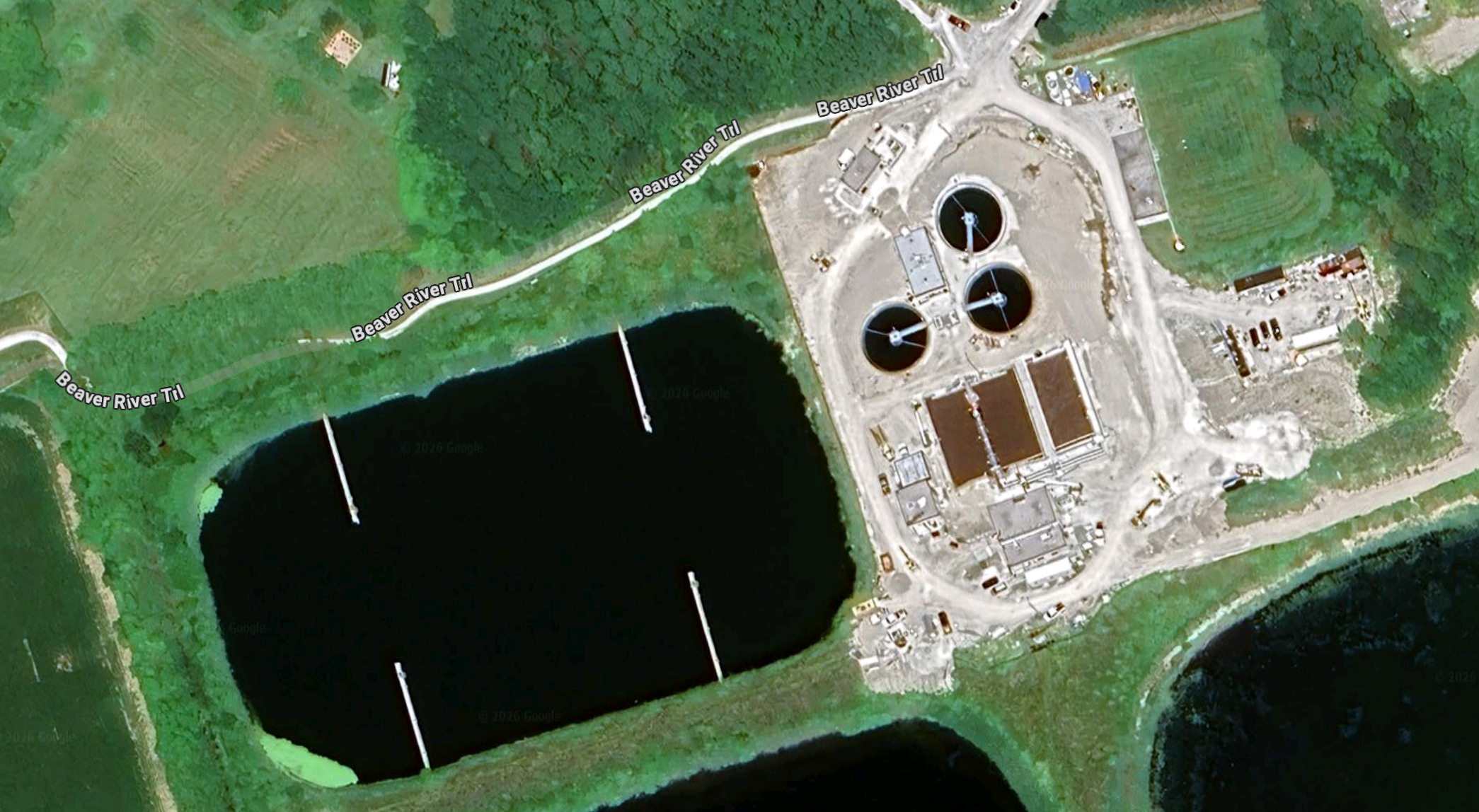
Costs for three major wastewater and road projects have risen by about $19 million, raising questions about planning, oversight, and how the overruns will be financed.
Financial pressure is growing from both debt and taxes: the 2026 budget includes a 4.34% property tax increase, while overall capital debt and debt-service costs are adding strain to future budgets.
Tourism increases revenue but also drives demand for infrastructure, waste, housing, and other services; the new Municipal Accommodation Tax may help, but it will not close the broader funding gap.
The next council will likely have to choose among higher taxes, more borrowing, delayed projects, or reduced service levels, making long-term financial planning a defining issue for voters.
Learn more and read the full article: Financial Pressures
-
The town is considering two public governance models for water and wastewater services: a Municipal Service Corporation (MSC) and a Water and Wastewater Public Corporation (WWPC).
Rising infrastructure costs and increasingly complex long-term projects are prompting questions about whether the traditional municipal management model remains the best fit.
Both MSCs and WWPCs would keep water and wastewater systems publicly owned while moving day-to-day implementation into a separate corporation with board oversight.
Supporters argue these models could offer more financial flexibility, clearer utility pricing, specialized expertise, and possible regional cost-sharing.
Critics caution that the models may reduce direct accountability, create pressure for higher user fees, involve a difficult transition, and risk misalignment with broader Town planning priorities.
Learn more and read the full article: Water & Wastewater Governance
-
Housing in the Town of the Blue Mountains has become increasingly unaffordable for many residents—especially workers, families, young adults, and seniors—making it a central issue in the 2026 local election.
Affordable housing typically costs no more than 30% of household income, while attainable housing refers to entry-level homes or rentals for middle-income residents who still cannot afford market prices.
The main local housing problems include a shortage of housing for workers, too few long-term rentals, limited smaller or entry-level homes, and not enough suitable options for seniors who want to remain in the community.
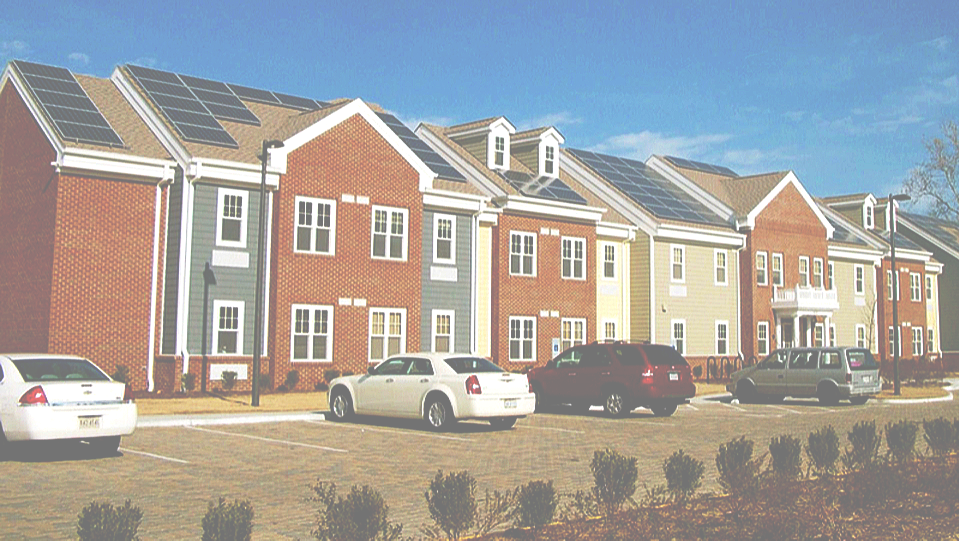
Current Town responses include a coordinated long-term care and rental housing project, a goal for 30% of new housing to be affordable, reviews of incentive programs, and support for secondary suites.
Key election questions include how much public support should go toward housing, how much density the Town should allow, and how affordability should be preserved over time. description
Learn more and read the full article: Housing Affordability
-
Long-term care is a major local election issue in The Blue Mountains because of an aging population, the expected closure of Errinrung in Thornbury, and long wait-lists for nearby care.
The Town previously pursued the Campus of Care at 125 Peel Street, which would have combined long-term care, staff housing, seniors’ housing, and a daycare, but canceled the project in 2024 after financial negotiations collapsed.
The current proposal is a 192-bed long-term care home on Town-owned land near Grey Road 19, paired with a 112-unit rental and workforce housing project on adjacent land.
Key trade-offs include taxpayer cost and risk, staffing and housing needs, and the location, zoning, traffic, and growth impacts of the proposed site.
The central test for candidates is whether they have clear, realistic plans to improve long-term care access.
Learn more and read the full article: Long-Term Care Access
-
The Town of The Blue Mountains is experiencing rapid population growth, shifting from a seasonal destination to a community with many more full-time residents.
This growth creates difficult trade-offs for local leaders, especially around housing, infrastructure, environmental protection, and preserving small-town character.
Key tensions include increasing housing density without changing neighbourhood character, expanding infrastructure without harming natural areas, and improving housing affordability to support the local workforce.
Important planning tools—such as the Official Plan, natural heritage policies, and development rules—will shape how growth is managed in the years ahead.
Voters should press candidates to explain how they would balance growth with farmland protection, environmental stewardship, affordability, and community character.
Learn more and read the full article: Growth Management