
Water & Wastewater Governance
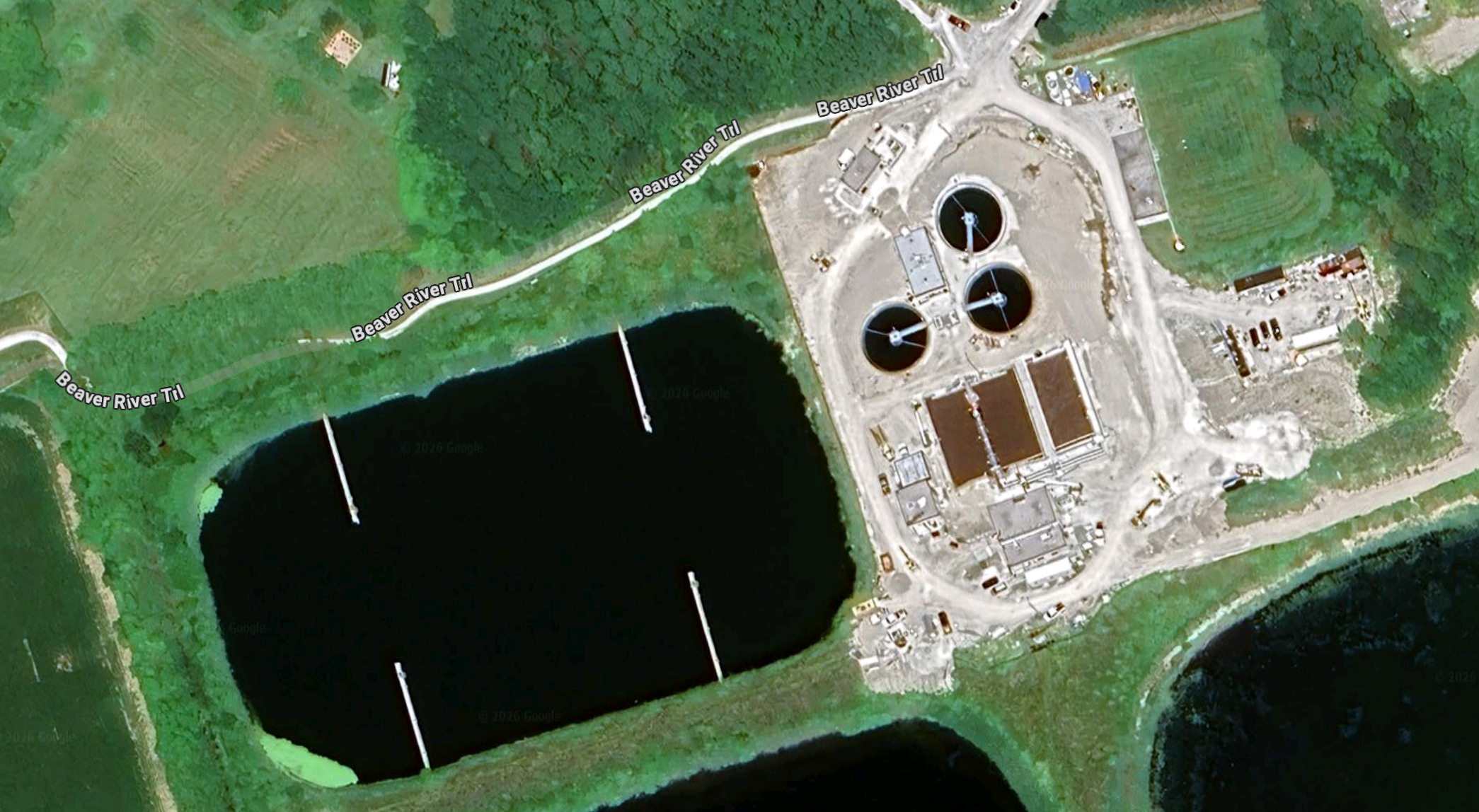
This report gives voters a simple, non-partisan overview of two public models the Town could use to manage water and wastewater services in the future: Municipal Service Corporations (MSCs) and Water and Wastewater Public Corporations (WWPCs).
The Town of the Blue Mountains is facing major water and wastewater infrastructure costs and increasingly complex projects. These include the Thornbury Wastewater Treatment Plant expansion and outfall pipe work, as well as upgrades to the Craigleith facility and local water mains. Together, these projects will require long-term planning and sustained funding.
To plan, build, finance, maintain, and expand these services, the Town may consider alternatives to the traditional model in which water services are managed directly by the municipality. In Ontario, two public options are often discussed. They are similar in basic design but differ in the service areas they are intended to cover:
Municipal Service Corporations (MSCs) under the Municipal Act
The Province’s new Water and Wastewater Public Corporations (WWPCs) framework.
The purpose of this report is to help voters understand what these models are, why some people may support them, why others may be cautious, and what questions council candidates may need to answer during the election.
1. What Are the Options?
Both options would move water and wastewater implementation services out of a regular Town department and into a separate public corporation. In both cases, the systems would remain publicly owned, and fundamental public policy decisions would remain at the local council. These models do not allow privatization of the assets.
Option A: Municipal Service Corporation (MSC)
An MSC is a corporation created by a single municipality to deliver services within that municipality’s service area.
Ownership: The corporation must be 100% publicly owned by the municipality. Private ownership is not permitted, although private operators could be engaged if directed by the municipality.
Governance: Town Council would act as the public owner, appoint a board of directors to oversee operations, and set the public policy framework the corporation would follow.
Option B: Water and Wastewater Public Corporation (WWPC)
A WWPC is a newer public model created under provincial legislation for water and wastewater services.
Ownership: It must remain fully publicly owned by multiple municipalities or other public bodies within a defined service area.
Purpose: It is designed to establish water and wastewater services as a standalone public utility that can be shared across more than one municipality.
Staffing: Provincial rules would protect employees and existing union arrangements during a transition from the traditional municipal model.
2. Why Some People Support a Corporate Model
Supporters of an arm’s-length public corporation often point to the following possible advantages:
More financial flexibility: A separate corporation may be able to manage its own financing, which could reduce pressure on the Town’s overall debt capacity and leave more room for other priorities such as roads, parks, and community facilities.
Clearer utility pricing: Water and wastewater fees could be kept more clearly within the utility system and reinvested directly into operations, repairs, and future replacement needs.
More specialized oversight: A board can include people with technical, financial, and environmental expertise focused specifically on water and wastewater systems.
Potential regional savings: If multiple municipalities worked together, they might be able to share risks, spread major costs more widely, and save money through larger joint purchases and contracts.
3. Why Some People May Be Cautious
These models may offer useful financial tools, but they also come with trade-offs that voters may want to consider:
Less direct accountability: If services move out of Town Hall and into a corporation, day-to-day operational decisions would be made by an appointed board rather than directly by the elected council. However, public policy decisions would remain with the municipality.
Possible pressure for higher user fees: If the corporation must fully recover system costs through utility revenues, households could face greater pressure from water and wastewater rate increases. However, municipalities in the service area could set rate, pricing, and service-level guardrails that the corporation would be required to meet.
A difficult transition: Moving to a new structure could require complicated legal, financial, and administrative agreements, especially around existing debt and long-term obligations.
Possible planning gaps: A standalone utility may not always move at the same pace or with the same priorities as the Town’s broader plans for housing, roads, and growth.
Questions Voters May Wish to Ask During the Election Campaign
How would this new governance model affect water and wastewater rates for households and businesses over time?
What safeguards would be in place to ensure strong public accountability if an appointed board, instead of the council, makes decisions?
Which model—keeping services in Town Hall or moving them to a public corporation—would better handle the Town’s major upcoming infrastructure costs?
How would the Town ensure that water and wastewater planning remains aligned with broader community priorities, such as housing, roads, and growth?
If a regional or shared public corporation is considered, what benefits and risks would that create for local control and service quality?
